introduction: in a scenario where both multinational deployment and localized access are emphasized, the differences in availability and network latency between mainstream us cloud servers are related to business stability and user experience. this article focuses on influencing factors and evaluation methods to help technology and operation and maintenance teams make more informed selection and optimization decisions.
availability not only refers to the proportion of service online time, but also includes recovery speed, maintenance window and redundant architecture in the event of failure. when evaluating, you should pay attention to the vendor's multi-az strategy, regional-level resource isolation, and whether it supports automated failover and cross-az load balancing to reduce the impact of a single point of failure on your business.
network delay is affected by physical distance, routing hop count, transmission medium, and link congestion. in addition, cloud vendors' intranet interconnection optimization, edge acceleration, and backbone network capacity will also significantly change latency performance. the application layer, such as the number of tcp handshakes and tls negotiations, will also amplify the perceived delay.
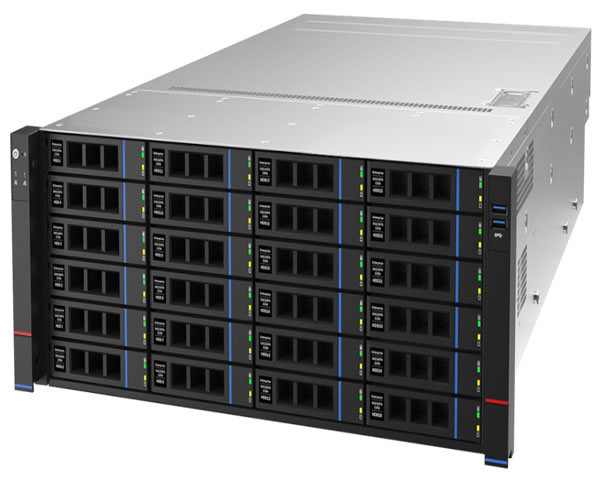
the geographical location of the data center and the interconnection topology determine the shortest path from the endpoint to the instance. mainstream manufacturers have different layouts and internet partners in different cities in the united states, which will lead to differences in cross-regional access delays. properly selecting the nearest available zone and using cross-zone acceleration can effectively reduce network jitter.
sla reflects the promised availability, but the actual recovery capability depends more on the manufacturer's operation and maintenance process and degree of automation. pay attention to the fault drills, monitoring alarms and event transparency provided by the manufacturer, and evaluate its redundancy switching and data consistency guarantee methods in the event of regional-level failures.
standardized tests are required for comparison: end-to-end delay, jitter, packet loss rate and connection establishment time based on icmp/tcp/http. long-term observations can better reflect real differences than short-term rapid tests. it is recommended to combine synthetic monitoring with real user experience (rum) data to obtain a more comprehensive judgment.
in the comparison process of u.s. cloud servers from mainstream vendors, we first determined the tolerance for availability and delay based on business priorities, and then selected the appropriate availability zone and network configuration based on actual measurement data and sla terms. optimization can be achieved through edge deployment, dedicated line or hybrid cloud architecture, and application-side connection reuse and retry strategies.
- Latest articles
- How To Optimize The System To Improve Bandwidth Utilization And Speed After Purchasing A Vps In Thailand
- Common Misunderstandings About How To Connect To Vietnam Servers To Avoid Triggering Regional Bans
- GP Singapore Server Stability In-depth Evaluation And Deployment Best Practice Guide
- Website Migration Case Sharing SEO And Speed Changes After Switching Between Hong Kong Vps And Japanese Vps
- The Technical Team’s Experience Discusses The Three Core Indicators For Choosing The Best Vps In Korea
- Performance Tuning And Monitoring Methods Of Vietnam Cn2 Network In High Concurrency Scenarios
- Buy Cloud Servers In Thailand At Low Prices, Compare Manufacturer Discounts And Long-term Operation And Maintenance Costs
- Enterprise Deploys Japanese Native Dynamic IP Address Load Balancing And Failover Solution
- Use Vietnam's Native IP Cloud Server To Build A Private VPN And Corporate Intranet Acceleration Solution
- How To Choose The Appropriate HKEX Computer Room Server Configuration For Financial Business
- Popular tags
-

Recommended Best Plan For Renting Us Cloud Server Vps
this article recommends the best solution for renting a us cloud server vps and helps you choose a suitable cloud service. -

Some Things To Pay Special Attention To When Purchasing A US VPS
There are several things you need to pay special attention to when purchasing a US VPS, including performance, price, technical support, etc., to help you make an informed choice. -
Case Studies Show The Performance Of The Four Leading VPS Providers In The United States And Europe In Different Countries
This case study demonstrates the performance of VPS hosting for Four Tigers videos in various countries across the United States and Europe, provides a comparative analysis of latency, bandwidth, content distribution, and compliance impacts, and offers GEO optimization recommendations.